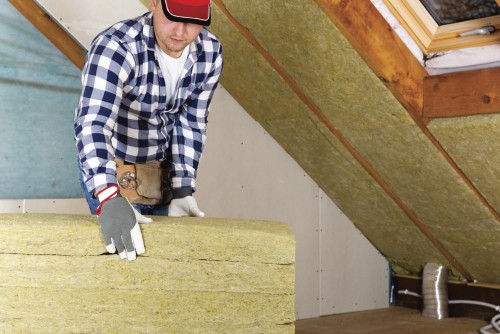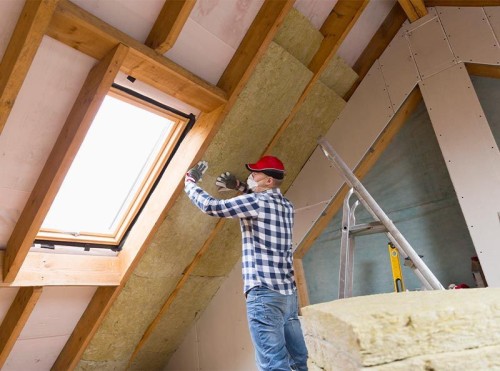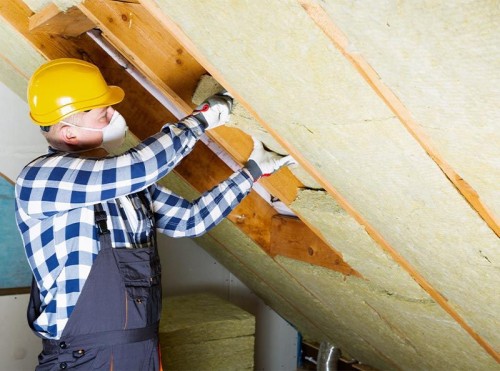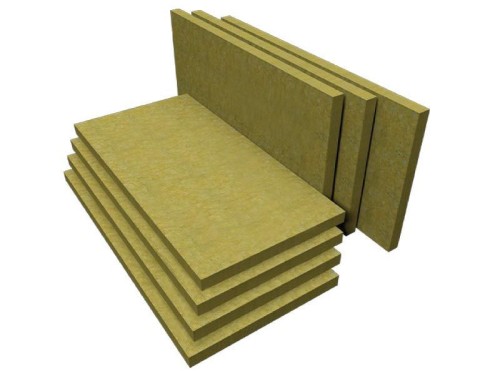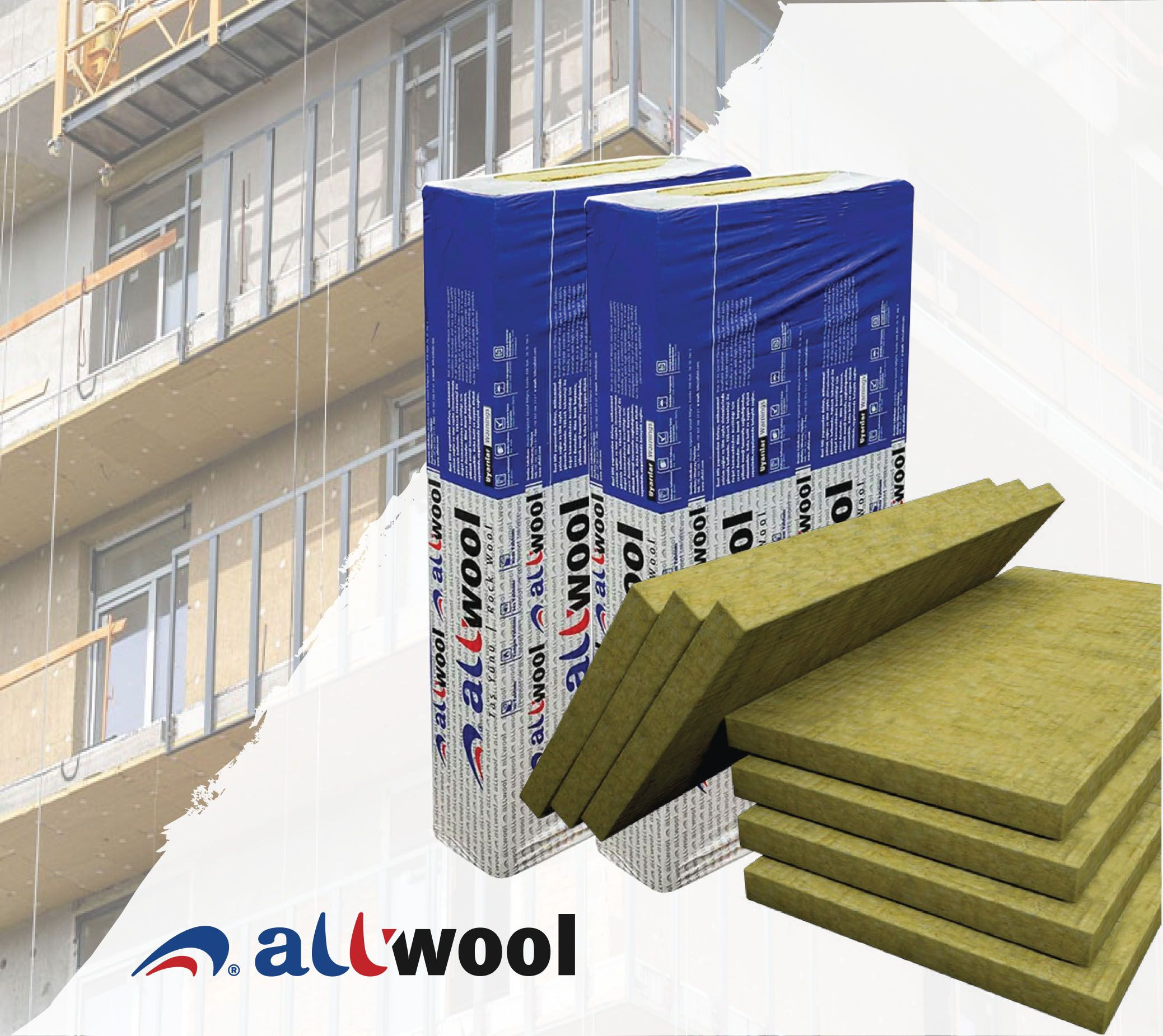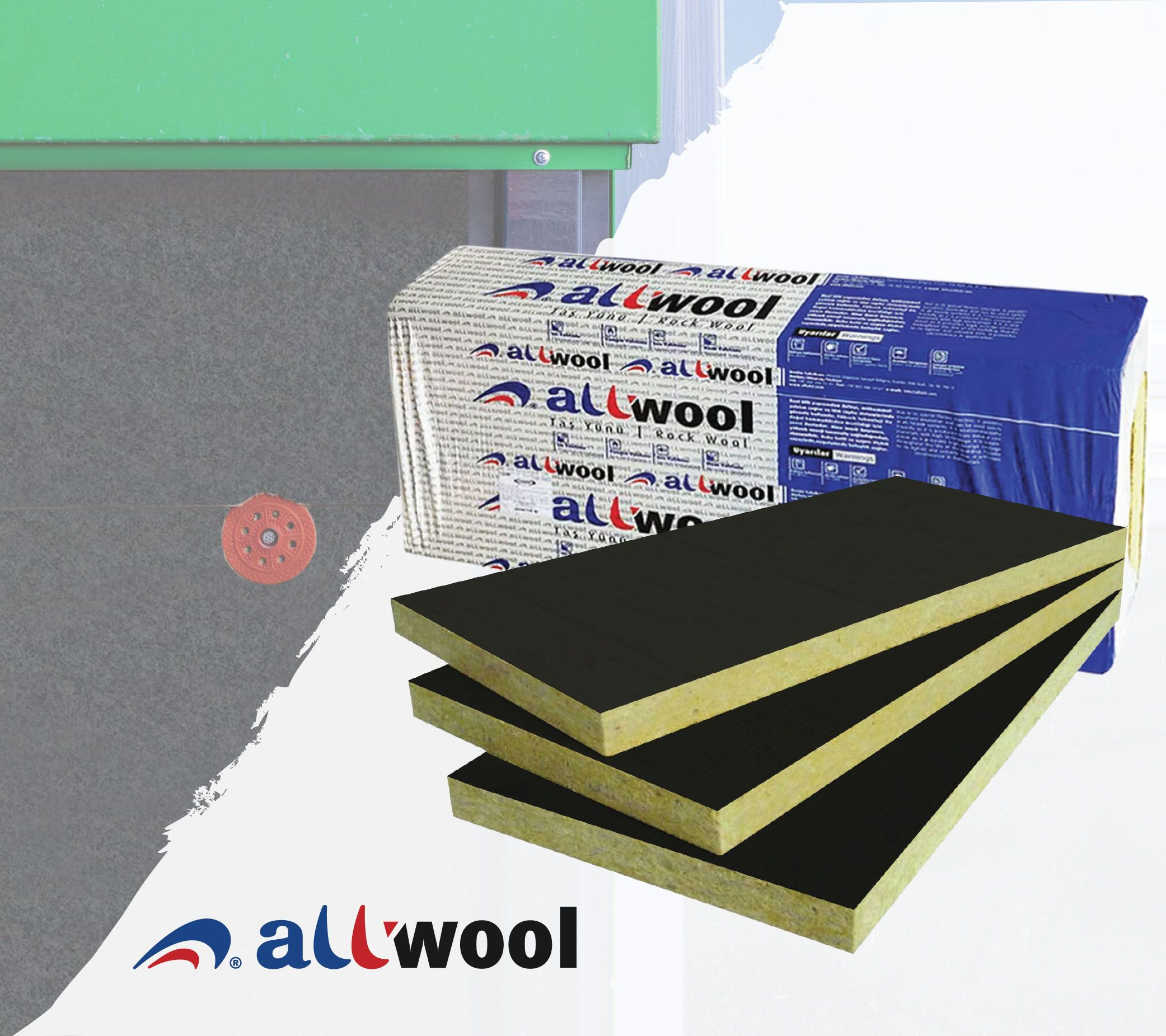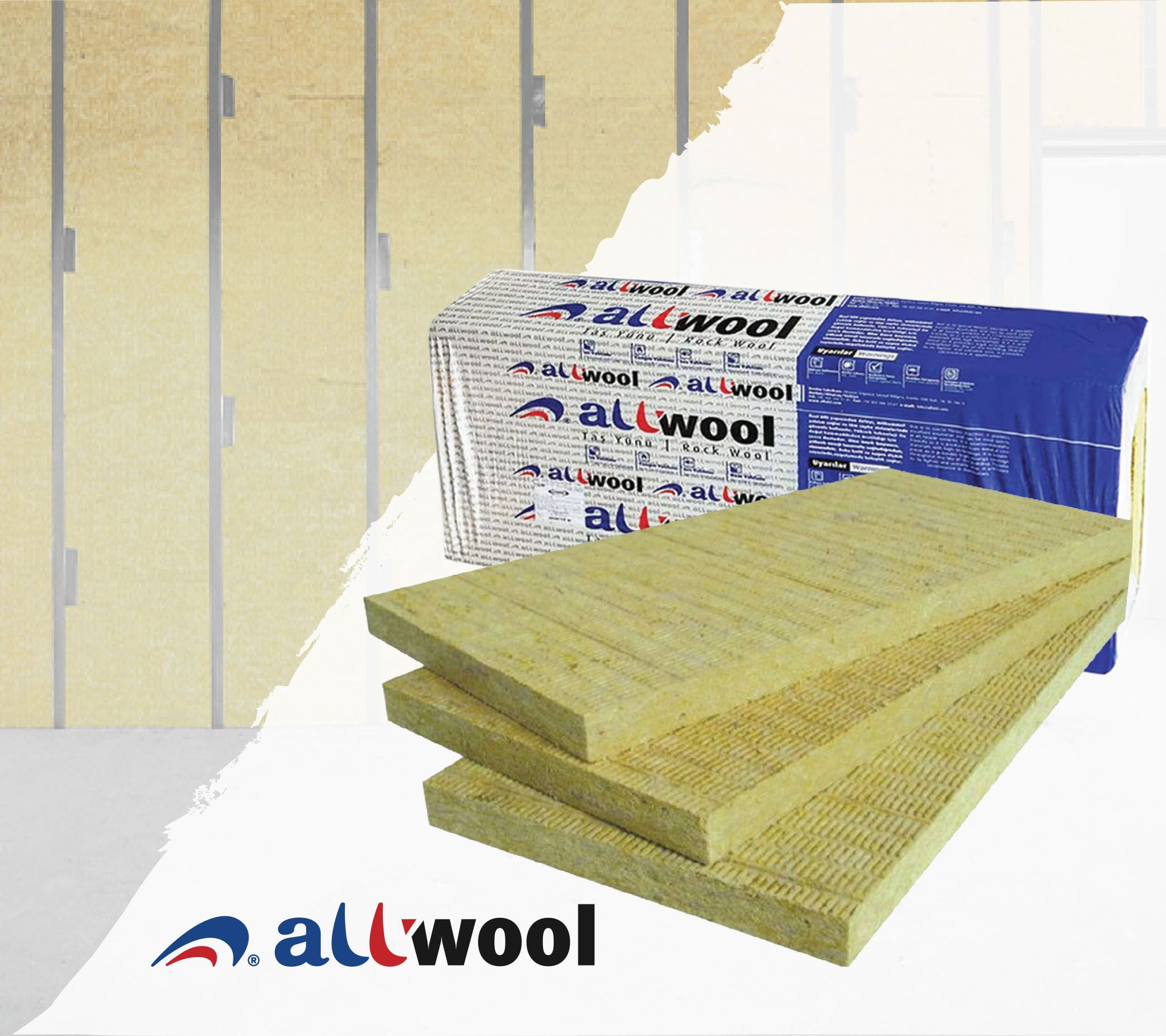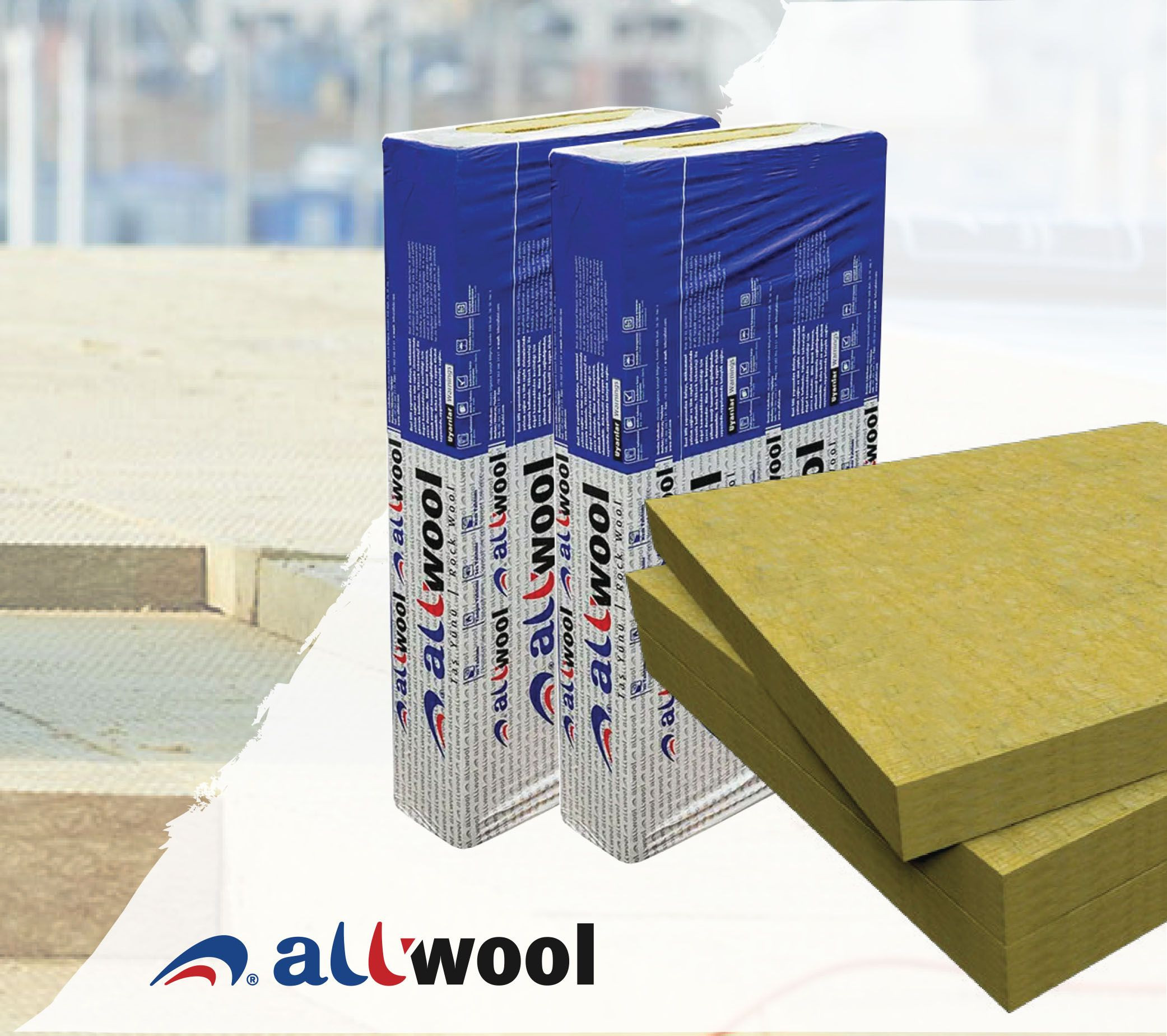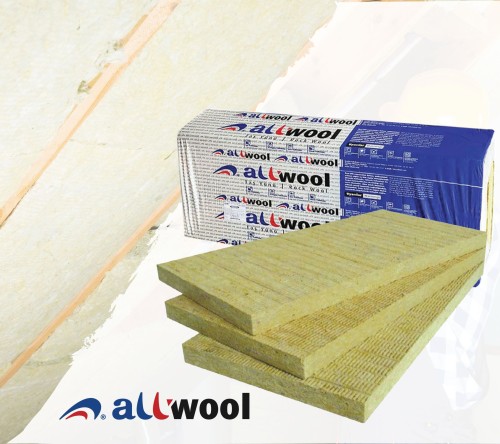


Rock wool is one of the most commonly used insulation materials and this is largely due to both its excellent insulation characteristics and its easy installation. Rock wool underlayment panels can easily be laid between the rafters, holding them in place and providing excellent insulation. Rock wool underlayment can also be used to form a second layer of roof insulation over an older layer that may not be effective. Rock wool attic insulation is highly resistant to moisture and water and does not absorb them. However, it is important to look for the source of moisture if you notice any, as moisture will not damage the insulation, but it can damage the material around it, such as wooden roof beams. It is essential to eliminate all sources of moisture before installing the insulation, and if an additional layer is being applied over existing insulation, we must ensure that it is not damp.
| Density | 50 - 90 kg/m³ |
| Thickness | 80 - 150 mm |
| Coverage | Uncoated |
| Plate size | 600 х 1200 mm |
| Reaction to fire | А1 |
| Thermal conductivity coefficient | 0,034 - 0,035 W/mK |
| Packaging | Polyethylene |